Eco-Friendly Ways To Spend Valentine
From making our own cards, to yummy baked goods, there are ways to incorporate our goodwill for the environment.
By Azielle Juvia Jacobs

Valentine’s Day is just around the corner. For many, this day allows people to express their feelings to loved ones by exchanging gifts, sending cards, going on dinner dates, and so on. While all forms of connection are lovely, we could also bring the environment into this love celebration. From the massive surge in waste to the high-carbon footprints of cut flowers, Valentine’s Day comes at a price. This doesn’t mean we should boycott the holiday, but we could celebrate it more sustainably. And here is how to do it!
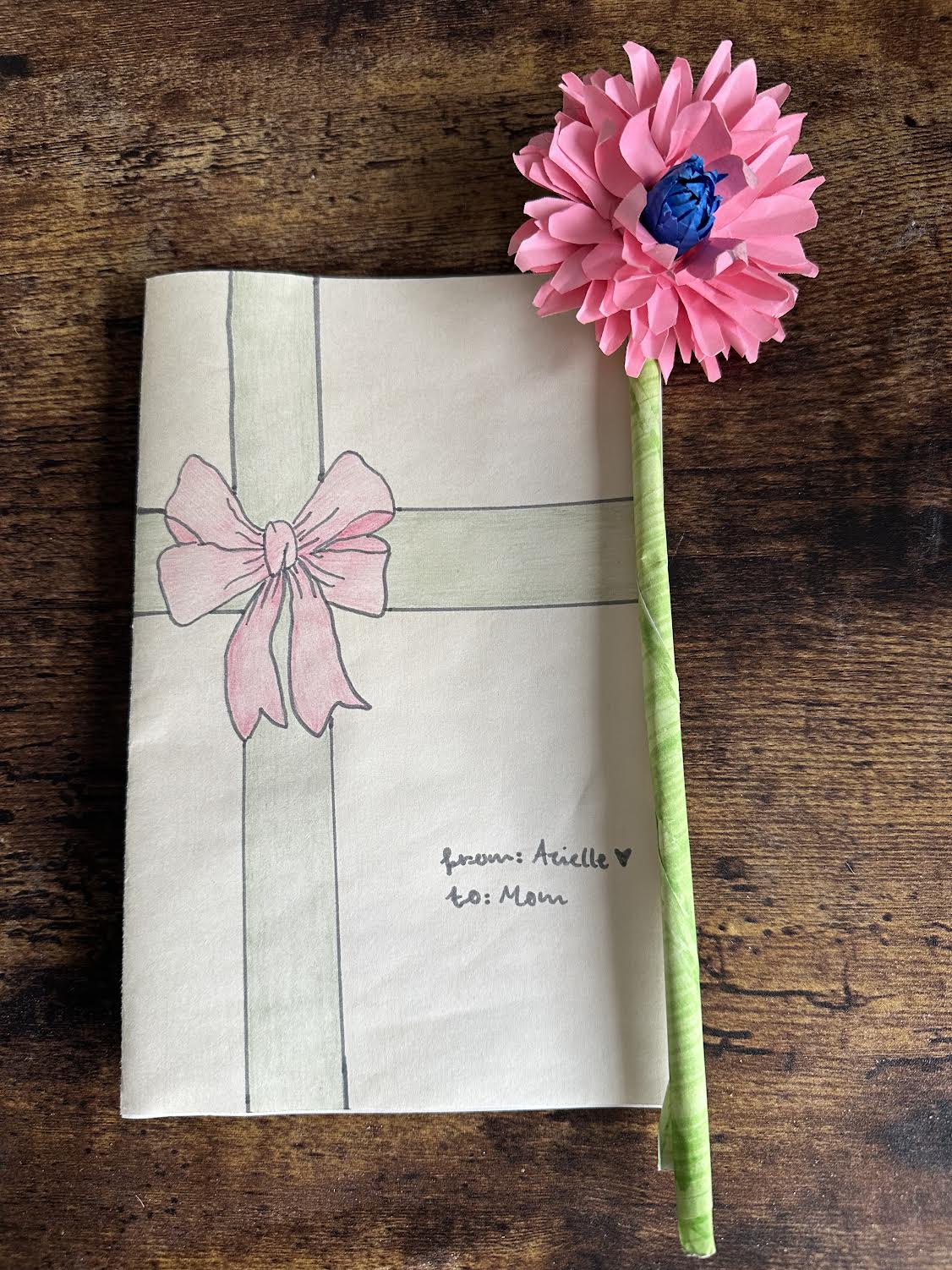
Sure, gifting your loved ones decorative cards with heartfelt messages seems pretty easy when it comes from your local grocery store. However, they’re mass-produced and lack thoughtfulness, while still adding to the waste problem. Instead, you should consider making your own cards—it doesn’t have to be anything too fancy. Markers, highlighters, and color pencils will do the trick. And even if you don’t have faith in your art skills, you can always use online graphic design platforms for creating cards. It’s easy and saves time.
Here are two examples of a card and a paper flower my sister and I made our mom on a celebration:
Chocolate is another typical offering on Valentine’s Day, with about $1.8 billion being spent on chocolate each year. These sweet treats are usually encased in heart-shaped boxes with plastic wrapping—often never making it to a recycling center and ending up in landfills. We could try instead, making homemade chocolate, or other baked goods, rather than simply going to the store. There are tons of easy recipes online, that can even be personalized to your partner’s favorite ingredients—something that mass-production can’t do. If you find this too much of a hassle or aren’t a big fan of baking, you can still choose a better alternative by purchasing fair-trade chocolate. The fair-trade logo on the packaging means that workers are paid fairly and work in a safe environment.
Last but not least, commercial flowers are yet another well-known gift—especially red roses. On Valentine’s Day alone, 198 million roses are sold across the United States. Many of these roses originate from South America, leading to high carbon emissions from long-distance transportation. Instead, buy from local flower shops. These flowers are locally sourced and last longer than commercially-bought flowers.
So, with that being said, I hope you consider these choices and make a positive impact on the environment this upcoming Valentine’s Day and the years to come.
